
- Crane rail systems support sawmill operations in Atlantic Canada by enabling steady, high-volume material handling and reducing unplanned downtime.
- Overhead cranes handle logs, lumber, and finished bundles across all production stages, placing continuous heavy loads on the rail system.
- Rail selection based on load capacity and wheel compatibility helps reduce wear and maintain stable crane movement over time.
- Fasteners such as clips, plates, and anchor bolts keep the rail secure and limit movement that can lead to vibration and uneven wear.
- Cold temperatures, moisture, corrosion, and freeze-thaw cycles in Atlantic Canada increase wear on rails and components.
- A complete system includes rails, fasteners, and safety components like stops, supporting reliable operation and continued production.
Crane rail systems are key to success in these busy facilities. When properly designed and manufactured, they can keep production levels high and prevent bottlenecks. At Central Rail Supply, we’ve spent nearly 40 years providing crane rail systems and components to heavy industries across Canada, including sawmills that can’t afford downtime. In this guide, we’ll highlight how the right system can add maximum value to your facility.
What Crane Rail Systems Do in a Sawmill
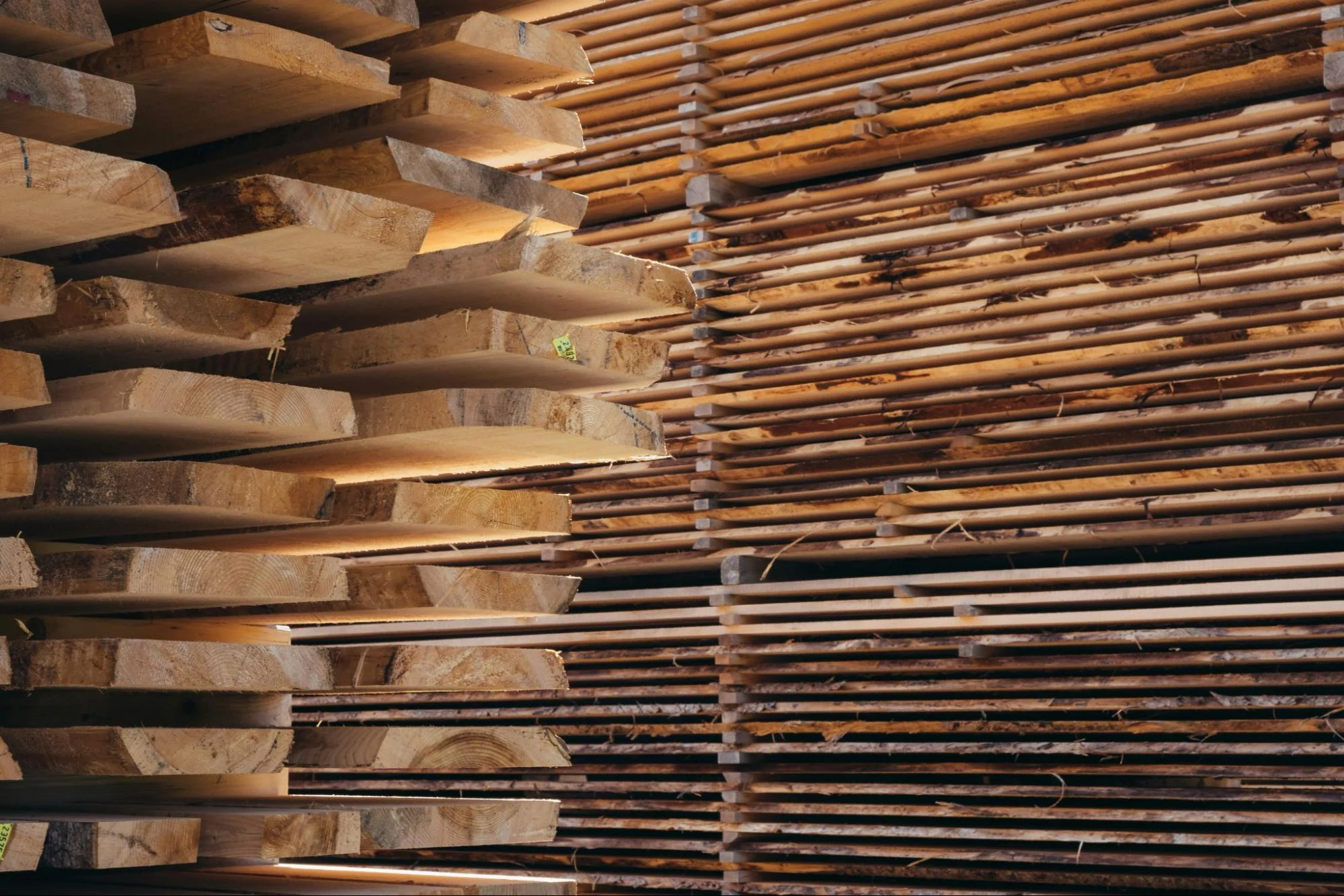
Walk through an active sawmill and you’ll see heavy material-handling equipment in constant motion. Conveyors, loaders, forklifts, and cranes move raw logs, transport lumber through processing stages, and shift heavy bundles of finished product to staging areas for shipment. In facilities equipped with overhead cranes, crane rail systems support the repeated lifting and movement of heavy loads. These cranes may handle bundles of green lumber weighing several tons, with frequent lifting cycles placing considerable demands on the rails and their fastening components.
The rail itself takes the load. It sits on a runway beam and guides the crane bridge back and forth along the length of the building or yard. The crane’s wheels ride on the rail head, so the rail has to match the wheel profile and the load it’s carrying. Use the wrong rail section and you get accelerated wear and unstable crane performance. Use the right one and the system runs for years with proper upkeep.
That rail-to-beam connection is where fastener selection becomes critical. Clips, tie plates, and anchor bolts work together to keep the rail seated and stable under load. If those components are undersized or improperly installed, the rail shifts incrementally with each crane pass, leading to uneven wear, increasing vibration, and eventually system replacement.
Crane Rail Systems in Atlantic Canada’s Environment
Winter temperatures in the Maritimes can drop well below freezing, and the region’s proximity to the Atlantic brings high humidity, driving rain, and freeze-thaw conditions. All of them put repeated thermal stress on rail and fastener components while accelerating corrosion.
Inside a sawmill, green lumber releases moisture as it dries, keeping humidity levels high in sorting and drying areas. Sawdust also accumulates on runway beams and rail surfaces, trapping that humidity against the metal and corroding components where they’re hardest to inspect. Mills that run year-round have little opportunity to shut down for maintenance, which means the rail system has to keep running between scheduled inspections.
Outdoor crane installations face particularly demanding operating conditions. Log yards and lumber staging areas in Atlantic Canada experience repeated freeze-thaw cycles that can contribute to deterioration of rail foundations and supporting structures. Over time, changes in rail alignment or support conditions can place additional stress on rail fasteners and joints, potentially leading to rougher crane travel and increased wheel and rail wear.
All of these drawbacks illustrate why rail profile selection and fastener specification are so important. A rail section suited to a dry indoor manufacturing facility may not hold up in an Atlantic Canadian outdoor log yard. Matching the rail and fastening system to the actual operating conditions at your mill separates a system that lasts from one that doesn’t.
Choosing the Right Crane Rail Components for Your Mill
- Crane rails are classified by weight per metre or yard, but selecting the right section involves more than rail weight alone. In a sawmill moving large volumes of green lumber, you need a rail section suited to the crane’s maximum wheel loads, wheel size and configuration, and overall runway design. The selection must also account for the dynamic forces generated during acceleration, braking, and off-centre lifts.
- Fastener selection follows the same guidelines. The clips and anchor bolts holding your rail to the beam have to match the rail profile, beam type, and frequency of crane operation. The fastening system needs to match the rail profile, crane duty and runway configuration
- Accessories like car blocks and crane stops are easy to overlook in the planning stage, but they play important roles in crane rail operations. Car blocks secure stationary cranes against unintended movement, while crane stops help bring moving cranes to a halt. Portable sliding crane stops offer the added advantage of quick installation and removal, making them useful in applications where temporary stopping arrangements are needed.
Keeping Your Sawmill at Capacity With the Right Crane Rail Systems
A crane rail system is a long-term infrastructure investment, and maintaining it starts with having the right rail sections and components. At Central Rail Supply, our inventory supports everything from replacing worn rails and fasteners to sourcing materials for a new facility. Based in Hamilton, Ontario, we supply industrial rail products across Canada, including Atlantic Canada. If you need help identifying an existing rail profile, planning a runway repair, or selecting replacement components, call us at 905.521.8477 to discuss your project or request a quote.
Sources
- Government of Canada. “Government of Canada Invests in Atlantic Canada’s Forest Sector.” Natural Resources Canada News Release, February 2026. Accessed May 5, 2026. https://www.canada.ca/en/natural-resources-canada/news/2026/02/government-of-canada-invests-in-atlantic-canadas-forest-sector.html
- Engler, Nick. “Wood Movement.” Workshop Companion. Accessed May 5, 2026. https://workshopcompanion.com/know-how/design/nature-of-wood/wood-movement.html